
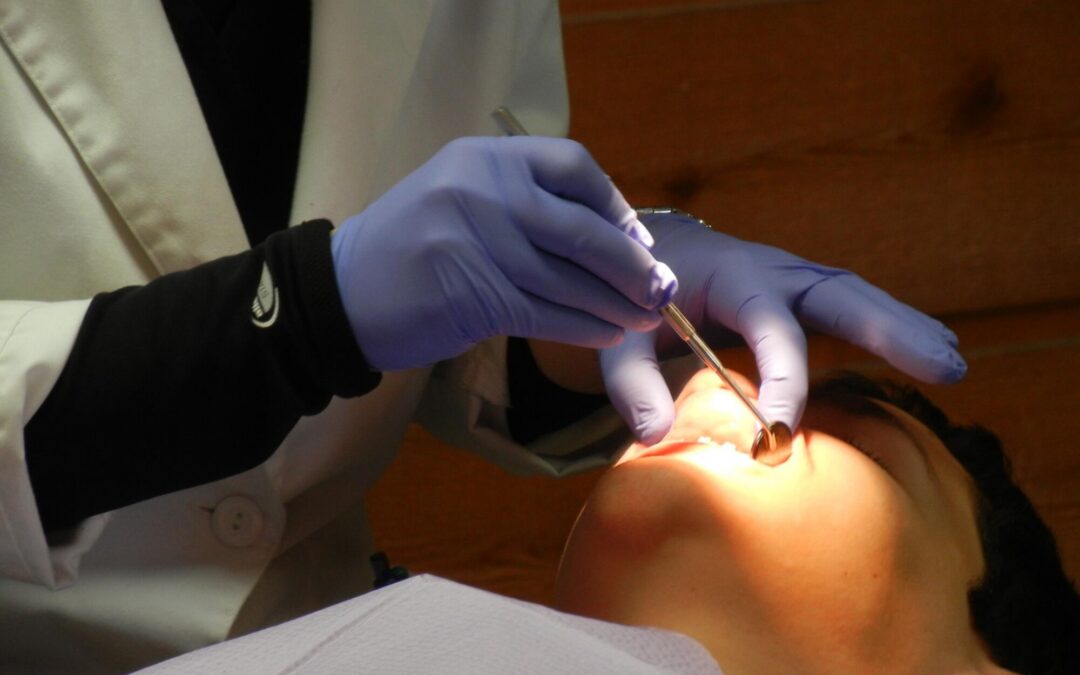
Children who constantly breathe through their mouths may develop more than simple breathing habits over time. Chronic mouth breathing can affect facial growth, sleep quality, jaw development, and overall airway function. Palate widening orthodontics helps by expanding the upper jaw, creating more space in the nasal cavity so children can breathe more naturally through the nose.
Does your child frequently sleep with an open mouth, snore, or struggle with restless sleep? Underlying structural development may be part of the problem. Early orthodontic treatment can sometimes improve breathing patterns long before larger health concerns begin to develop.
Understanding Why Children Become Mouth Breathers
Children rarely develop chronic mouth breathing without an underlying reason. In many cases, physical airway restrictions make nasal breathing difficult, and the body begins relying on the mouth instead:
- Enlarged adenoids or tonsils
- Chronic nasal congestion
- Narrow upper jaw development
- Habitual breathing patterns
Enlarged Adenoids or Tonsils
Enlarged tissue in the back of the throat often blocks normal airflow. This is one of the most common causes linked to the sleep disordered breathing kids can experience during early development. When nasal airflow becomes restricted, children often begin breathing through the mouth both day and night.
Chronic Nasal Congestion
Persistent allergies can make nasal breathing difficult for long periods. Swelling inside the nasal passages reduces airflow and forces children to compensate. Parents sometimes focus on congestion itself and overlook the larger childhood mouth breathing dangers that develop when the pattern continues for months or years.
Narrow Upper Jaw Development
A small upper jaw can leave less space inside the nasal airway. This often reduces airflow before permanent teeth fully erupt. In some cases, families exploring adenoid hypertrophy alternatives later discover that jaw development played a major role in the problem.
Habitual Breathing Patterns
Children can continue mouth breathing even after the original blockage improves. Once the habit forms, the body often keeps using the same breathing pattern until the underlying structural issue gets corrected.
How Palate Widening Orthodontics Creates More Space for Breathing
Breathing problems in children sometimes begin with the way the upper jaw develops. When the palate stays too narrow, airflow through the nose becomes more restricted over time:
- Upper jaw expansion
- Increased nasal airway space
- Improved tongue posture
- Better nasal breathing patterns
Upper Jaw Expansion
Palate widening orthodontics works by gradually expanding the upper jaw over time. A small appliance applies gentle pressure across the palate. Since the upper jaw is still developing during childhood, the bone can slowly widen in response to treatment.
Increased Nasal Airway Space
The roof of the mouth also forms the floor of the nose. As the palate widens, the nasal passage above it becomes wider as well. This type of pediatric nasal cavity expansion can improve airflow and reduce long-term airway restriction.
Improved Tongue Posture
The tongue should naturally rest against the roof of the mouth. A narrow palate often limits that space. Expansion creates more room and encourages healthier tongue positioning during normal breathing.
Better Nasal Breathing Patterns
Better airflow often makes nose breathing feel easier and more natural. Many specialists view this as an important part of healthy orthodontic airway development during early growth years.
Why Orthodontic Airway Development Matters Early in Childhood
Childhood is the most important stage for guiding healthy facial growth. When breathing problems develop early, treatment during active growth years can shape healthier long-term development:
- Active growth windows
- Preventing future bite problems
- Building healthier facial development
- Exploring non-surgical treatment options
Active Growth Windows
A child’s facial bones remain flexible during early development. The upper jaw has not fully fused yet. That makes early treatment far more effective than waiting until the teen years, when bone structure becomes harder to change.
Preventing Future Bite Problems
Poor breathing habits often affect the way teeth and jaws develop together. A narrow upper jaw can gradually contribute to crowding and bite misalignment. Early attention to orthodontic airway development may reduce the need for more extensive treatment later.
Building Healthier Facial Development
Breathing patterns influence how the face grows over time. Chronic mouth breathing can change jaw position and facial balance during childhood. Correcting airflow problems early can guide healthier growth patterns during these important years.
Exploring Non-Surgical Treatment Options
Families often assume surgery is the only answer for airway concerns. In some situations, adenoid hypertrophy alternatives may focus on correcting structural development first. Early orthodontic treatment can sometimes improve airway function before more invasive procedures become necessary.
Frequently Asked Questions
Can Mouth Breathing Affect a Child’s Sleep Quality?
Breathing patterns during sleep directly affect how well a child rests overnight. Children who struggle with nasal airflow often sleep with their mouths open.
That can lead to snoring, restless sleep, and repeated sleep interruptions. In more serious cases, sleep disordered breathing in kids can reduce oxygen intake during important stages of sleep. Poor sleep often leads to irritability, daytime fatigue, and trouble concentrating during school.
At What Age Can Palate Expansion Treatment Begin?
Treatment timing depends on how a child’s jaw is developing. Orthodontists often begin expansion treatment during early childhood or preteen years.
The upper jaw bones remain more flexible during this period. Earlier treatment often makes expansion easier and may improve long-term results with palate widening orthodontics before permanent structural patterns become harder to correct.
Better Breathing in 2026
Chronic mouth breathing during childhood can affect facial growth, sleep quality, and long-term airway health in ways many parents do not expect. Identifying the cause early often makes treatment more effective. Palate widening orthodontics can improve nasal breathing by correcting structural issues during critical stages of development.
At Sencak Orthodontics, we believe everyone deserves a smile they feel confident sharing for life. Led by Dr. Gregory Sencak, our team delivers personalized orthodontic care for children, teens, and adults using advanced technology and treatment plans built around each patient’s needs. From Invisalign, clear and metal braces, to palatal expanders, we combine individualized care, early intervention expertise, and a commitment to making every visit a positive experience.
Get in touch today to find out how we can help with your child’s dental health journey.
Recent Comments