
Quick Answer
A Canfield Orthodontist can treat patients at nearly any age, from early childhood evaluations to adult orthodontic care. Treatment options include traditional braces and clear aligners like Invisalign, with the right choice depending on age, dental development, and the specific alignment issue being addressed.
Orthodontic Care Isn’t Just for Teenagers
There’s a common assumption that orthodontic treatment is mostly for teenagers with a mouth full of metal. In reality, orthodontists treat a much wider range of patients, from young children just getting their first evaluation to adults finally addressing something they’ve lived with for decades.
At Sencak Ortho, families throughout Canfield and the surrounding communities bring in patients at every stage of life, and treatment plans look different depending on where a patient falls in that range.
Early Evaluations: Why Age Seven Matters
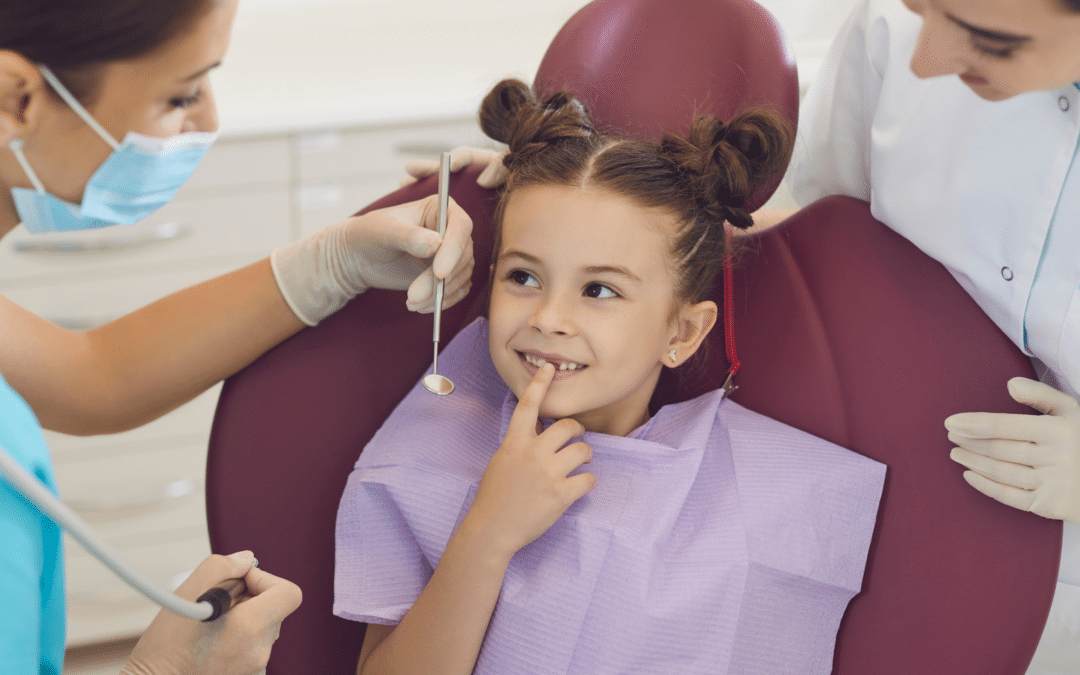
Many parents are surprised to learn that orthodontic evaluations are recommended as early as age seven, well before all permanent teeth have come in. At this stage, an orthodontist isn’t necessarily starting treatment. They’re assessing how the jaw is developing and whether there are early signs of issues that are easier to address before growth is complete.
Early evaluation can catch things like:
- Crowding that’s likely to worsen as more permanent teeth erupt
- Jaw growth discrepancies between the upper and lower jaw
- Habits like prolonged thumb-sucking that may be affecting tooth position
- Early loss of baby teeth that could affect the spacing of permanent teeth
Not every child needs treatment at this stage. Often, the evaluation simply confirms that development is on track, with a plan to monitor at future visits, a recommendation consistent with guidance from the American Association of Orthodontists.
Treatment During the Teen Years
The teen years remain the most common window for orthodontic treatment, largely because most permanent teeth have come in and there’s still some flexibility in how the jaw responds to treatment. During this stage, both braces and clear aligners are typically viable options, depending on:
- The complexity of the crowding or bite issue
- Whether the patient can be trusted to consistently wear removable aligners
- Personal or social preferences around visible versus discreet treatment
- Involvement in activities like contact sports, which may make one option more practical than the other
Braces remain a strong default for more complex teen cases, while clear aligners are increasingly common for teens with milder alignment issues who are responsible enough to wear them as directed.
Orthodontic Treatment for Adults
Adult orthodontic care has grown significantly in recent years, and today it’s common for adults in their 30s, 40s, and beyond to start treatment for the first time or to address relapse after previous orthodontic work. Common reasons adults seek treatment include:
- Teeth that have shifted over time, sometimes years after previous braces
- Bite issues that were never addressed and have gradually worsened
- A desire for a straighter smile for personal or professional reasons
- Addressing spacing or crowding that affects oral hygiene, since misaligned teeth can be harder to clean effectively
For most adults, clear aligners like Invisalign are an appealing option because jaw growth is complete, treatment tends to be more predictable, and the discreet appearance fits well with professional and social settings. That said, braces remain a legitimate option for adults with more complex bite issues that respond better to fixed appliances, an approach supported by general guidance from the American Dental Association.
Comparing Braces and Clear Aligners by Life Stage
| Life Stage | Common Approach | Key Consideration |
|---|---|---|
| Ages 7-10 | Monitoring, sometimes early-phase treatment | Jaw development and growth guidance |
| Teens | Braces or clear aligners | Complexity of case, responsibility level |
| Adults | Often clear aligners, braces when needed | Discretion, predictability, complexity |
This isn’t a rigid rule for every patient. Some teens are excellent candidates for clear aligners, and some adults need braces for more complex issues. A consultation is the only way to know for certain which approach fits a specific case.
What a Consultation Looks Like at Any Age
Regardless of age, an orthodontic consultation generally includes a review of dental and orthodontic history, a clinical exam, X-rays, and sometimes digital scans to evaluate bite alignment and jaw structure. From there, the orthodontist can explain what’s actually going on and walk through realistic treatment options, timelines, and what to expect along the way.
Frequently Asked Questions
Is it too late for adult orthodontic treatment?
No. Many adults successfully complete orthodontic treatment well into their 40s, 50s, and beyond. Jaw growth being complete doesn’t prevent tooth movement.
Do all kids need braces?
No. Some children only need monitoring during early evaluations, while others may need early-phase treatment or wait until more permanent teeth have erupted.
Can teens choose clear aligners instead of braces?
In many cases, yes, provided the alignment issue is mild to moderate and the teen is likely to consistently wear the aligners as directed.
Finding the Right Orthodontist in Canfield for Any Age
Whether you’re bringing in a young child for their first evaluation, weighing options for a teenager, or considering treatment for yourself as an adult, the right approach depends on an individual evaluation rather than assumptions based on age alone.
Learn more about Invisalign and clear aligner options at Sencak Ortho, and when you’re ready to get started, find your nearest Sencak Ortho office to schedule a consultation.
Recent Comments